Table Of Content
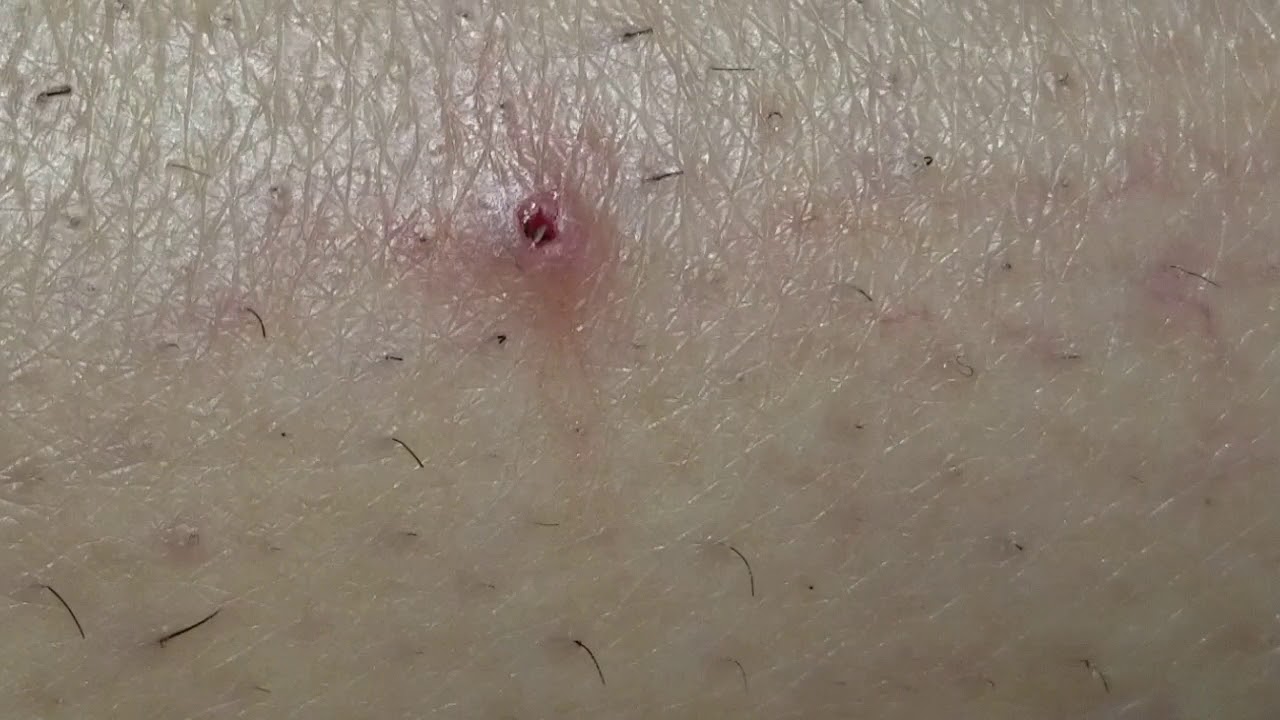
Waxing, plucking and threading hair can also lead to ingrown hairs. Seek immediate medical care if you experience signs of a spreading infection. These include a sudden increase in redness or pain, fever, chills, and a feeling of being unwell (malaise). Make an appointment with your health care provider if your condition is widespread or the symptoms don't go away after a week or two of self-care measures.
Best epilators for women 2022: Use on face, legs, underarms and bikini lines - The Independent
Best epilators for women 2022: Use on face, legs, underarms and bikini lines.
Posted: Mon, 16 May 2022 07:00:00 GMT [source]
Prevention
Superficial folliculitis affects the upper part of the hair follicle and the skin around the follicle. Deep folliculitis affects more of the follicle or even all of it. A carbuncle is a cluster of boils painful, pus-filled bumps that form a connected area of infection under the skin.
When should I see my healthcare provider?
Bacteria can then take over and cause an infection known as folliculitis, which leads to the development of a cyst. Certain diseases or trauma to your skin can also cause them. You might have small bumps with hairs in the middle of your face and neck or on other hairy places on your body. They can be small, swollen bumps where you shave, tweeze, or wax. You can’t always prevent ingrown hairs, but you can take steps to lower the chances of them developing. What if you’ve tried home remedies, and the ingrown hair just won’t go away?

Everything You Should Know About Boils on the Inner Thigh
This easily brings about discoloration of the skin, scarring and damage. The severity usually depends on how serious the infection is. Infected ingrown hairs can be uncomfortable, but most clear up on their own in 7–10 days with good hygiene. It is important to contact a doctor if an ingrown hair does not resolve itself and becomes very painful. However, immunocompromised people, such as those living with HIV, or those who have contracted a severe infection, may need medical treatment.
Repeat it twice a day until there is healing of the ingrown hair. Extract Aloe Vera gel from the leaf and apply it on the irritated skin. Leave it for about half an hour until it dries on its own. Repeat the treatment two to three times every day for a few days or until you notice a positive result. In women, ingrown hair is mostly found around the bikini areas and also in areas that have the tendency to fold naturally. Ingrown hair does not usually cause any troubles but they can become problematic when there is an infection of the hair.

Ingrown hair on thigh can become infected especially if they are not given enough time to heal before the shaving or hair removal is done. In some cases, you may be able to see the hair at the surface of the bump. Ingrown hair cysts commonly form on the parts of the body that people shave, such as the armpits.
Ingrown hair and staph infection: Is there a link?
Nursing student, 21, with incurable cancer mistook his symptoms for an ingrown hair - Daily Mail
Nursing student, 21, with incurable cancer mistook his symptoms for an ingrown hair.
Posted: Fri, 02 Aug 2019 07:00:00 GMT [source]
Exfoliation should be approached carefully, as it causes inflammation, which leads to hyperpigmentation and may not be very helpful in resolving ingrown hairs. In the past, some dermatologists believed that single-blade razors reduced risk to the skin. However, a 2013 study showed no difference between single- and multiple-blade varieties. Shaving cream adds moisture and reduces friction when the razor glides over the skin. It helps to moisturize the skin thereby lessening inflammation and swelling. Besides, honey has antibacterial properties which help to prevent the skin around the place from being infected.
Why does a person keep getting boils?
Over a few days, a boil will swell as it fills with bacterial pus. It will typically develop a whitish-colored tip that breaks open, allowing the pus drain out. These infections respond well to antibiotics, which a person may take orally or apply topically. In rare cases, an individual may need intravenous antibiotic treatment if the infection has spread throughout their body. However, a person may find temporary symptom relief by taking over-the-counter painkillers or holding a clean, cold compress over the wound.
In rare cases, your healthcare provider may use a sterile surgical knife with a thin blade (scalpel) to make a small cut in your affected areas. They’ll squeeze out any pus and use sterile tweezers to remove the ingrown hair. A small bump on your inner thigh or elsewhere on your body may be a boil.
When a boil first appears on the inner thigh, a doctor may recommend applying a warm antiseptic compress, along with an ointment called a drawing salve. A drawing salve usually contains ammonium bituminosulfonate. People should not squeeze or scratch a boil to rupture it, as this can increase the risk of complications or infection. However, in most people, infections only occur when factors such as injury or friction break or compromise the skin’s natural barrier. Carriers and people with boils can spread the bacteria through skin-to-skin contact or sharing objects, such as towels and sheets.
Shaving in the opposite direction can cause the hairs to have very sharp tips. This makes it easier for them to penetrate the skin and grow inward. However, if a person can see the tip of the hair outside the skin, it may be easier to pull the hair out and allow the follicle to heal.
Pustules are typically red and may be painful or tender to the touch. They're most commonly found on the back, face, shoulders, upper chest, and areas prone to sweating, like armpits. When you have thick or curly hair, you can get a type of ingrown hair called pseudofolliculitis. The hair that grows back has a sharper edge, so it can more easily poke back through your skin and get trapped under the surface. Ingrown hairs can be more common in people with coarse or curly hair. They may also be likelier to occur when the hairs are very short, such as after waxing, shaving, or tweezing.


No comments:
Post a Comment